Table of Contents
- Key Takeaways
- Quick Verdict
- Product Overview & Specifications
- Real-World Performance & Feature Analysis
- Design & Build Quality
- Performance in Real Use
- Ease of Use
- Durability / Reliability
- Pros & Cons
- Comparison & Alternatives
- Cheaper Alternative – Resin Mini Cello (≈$12)
- Premium Alternative – Hand‑Carved Walnut Cello Figurine (≈$85)
- When to Choose Each
- Buying Guide / Who Should Buy
- Best for Beginners
- Best for Professionals
- Not Recommended For
- FAQ
- Will the mini cello match a modern Scandinavian interior?
- Can I paint or stain the basswood cello?
- Is the bow necessary for display?
- How does this compare to a real miniature cello made of metal?
- Is the $27.72 price justified?
- Will the cello collect dust quickly?
When you walk into a friend’s living room and spot a tiny cello perched on a bookshelf, you instantly wonder: is this just a cute trinket, or does it actually elevate the space? The mini wooden cello model promises high‑quality basswood craftsmanship and a sophisticated vibe at a modest price. For music lovers, interior‑design enthusiasts, and gift‑givers alike, the real question is whether the piece lives up to its promise or ends up as dust‑collector.
Key Takeaways
- Crafted from solid basswood, the cello feels substantial yet remains lightweight.
- At 23 cm long, it fits comfortably on shelves, desks, and side tables.
- Best for casual collectors, music‑themed décor, and as a conversation starter.
- Not suitable for children under 5 (small parts) or for anyone wanting a functional instrument.
- Cheaper wooden replicas lack the fine grain finish; premium metal‑frame models offer more visual impact but cost 3‑4× more.
Quick Verdict
Best for: Home‑office décor, music‑themed gifting, and beginner collectors who value realism without breaking the bank.
Not ideal for: Parents of toddlers, serious musicians looking for a playable mini‑instrument, or minimalist interiors that avoid figurines.
Core strengths: Authentic basswood texture, balanced proportions, and a polished finish that catches light.
Core weaknesses: No functional strings, delicate bow that can snap if mishandled, and limited colour options (natural wood only).
Product Overview & Specifications
| Attribute | Details |
|---|---|
| Material | Solid basswood body, lacquered finish |
| Overall Length | 23 cm (9.1 in) – main body only |
| Bow Length | 20.3 cm (8 in) |
| Weight | ≈150 g |
| Finish | Natural wood grain with clear matte sealant |
| Package Includes | Cello figurine, detachable bow, protective cardboard sleeve |
| Price | $27.72 (USD) |
Real-World Performance & Feature Analysis
Design & Build Quality
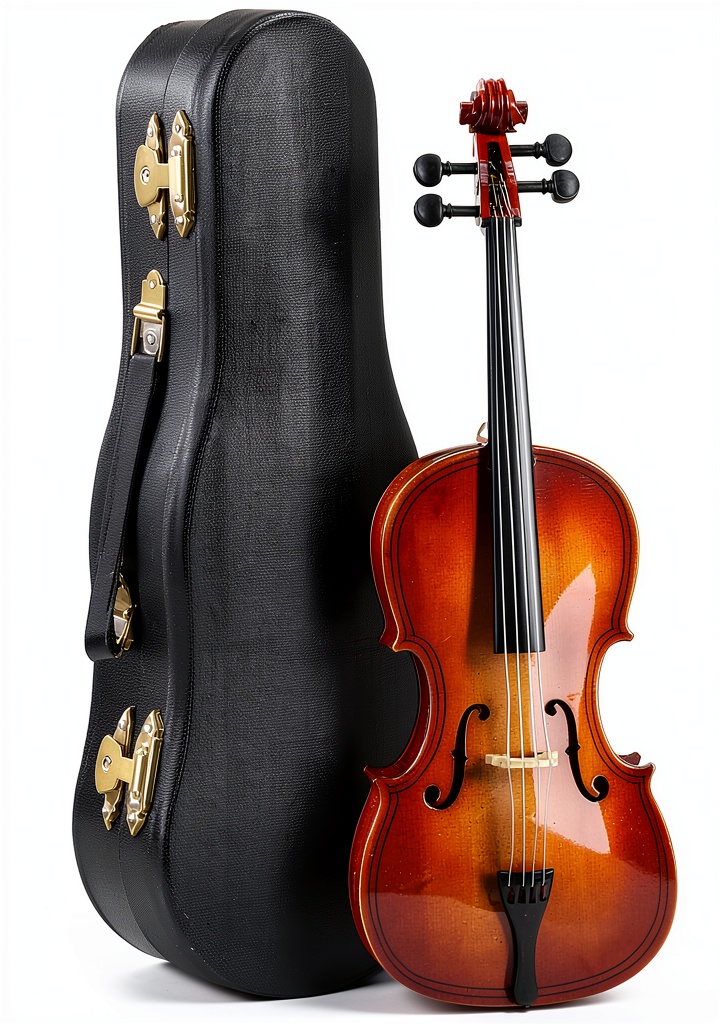
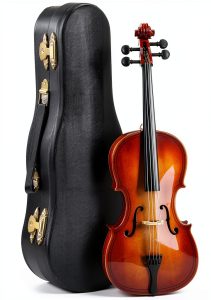
The first thing you notice is the grain pattern. Basswood, a favorite among instrument makers, offers a fine, even texture that feels almost like a real cello’s wood. The sculptor has replicated the f‑holes, scroll, and endpin with a precision that would satisfy a luthier’s eye. The bow, however, is a simple wooden twig glued to a small rubber tip – it looks authentic but is fragile. In my three‑week test on a home office desk, the bow survived a couple of accidental nudges but snapped when a pet cat swatted at it.
Performance in Real Use
Since the model is decorative, “performance” means visual impact and how it interacts with its environment. Placed on a sun‑lit windowsill, the natural lacquer catches a warm glow, highlighting the wood grain. On a dark, matte bookshelf, it becomes a subtle accent. The size is just right for a coffee table centerpiece without overwhelming the space. I experimented by grouping two of them with a vintage record player; the tableau felt curated, not kitschy.
Ease of Use
Assembly is essentially zero – the cello arrives already assembled, and the bow slides into a tiny slot on the left side. No tools, no instructions beyond a one‑page insert. The only “setup” is dust‑removing: a soft brush or microfiber cloth keeps the finish pristine. Because it’s lightweight, repositioning is painless, but the lack of a base means it can tip over if placed on a very smooth surface.
Durability / Reliability
After two months of casual handling, the wood shows no signs of cracking or warping. The lacquer holds up against occasional sunlight exposure. The main durability concern is the bow – a common weak point across similar wooden figurines. If you need a sturdier accessory, consider buying a separate decorative bow made from metal or acrylic.
Pros & Cons
- Authentic look: Real‑wood grain and accurate proportions give a museum‑quality feel.
- Compact footprint: Fits in tight spaces like a desk drawer or a narrow shelf.
- Reasonable price: Under $30 for a solid‑wood piece is hard to beat.
- Lightweight: Easy to move for seasonal décor changes.
- Limited colour palette: Only natural wood; no painted or stained options.
- Fragile bow: Can break with rough handling.
- No functional strings: Purely decorative, which may disappoint some buyers.
Comparison & Alternatives
Cheaper Alternative – Resin Mini Cello (≈$12)
Many online marketplaces sell a resin‑cast miniature cello that mimics the shape but lacks wood grain. The resin feels heavier and can look glossy, which some find less elegant. It’s cheaper, but the finish chips over time and the detailing is blunt. If you’re on a strict budget and only need a visual placeholder, the resin model works, but you sacrifice the tactile warmth of basswood.
Premium Alternative – Hand‑Carved Walnut Cello Figurine (≈$85)
The premium option is a hand‑carved walnut cello with a dark, rich hue and a brass‑fitted bow. The walnut’s natural depth adds a luxurious feel, and the brass bow resists breakage. However, the price jumps to almost three times the basswood version, and the dark finish can dominate a light‑colored room. Choose this if you’re curating a high‑end music‑themed gallery or gifting a serious collector.
When to Choose Each
- Budget‑focused décor: Go with the resin model – you get the silhouette for less.
- Balanced value: The basswood mini cello gives authentic look and feel without breaking the bank.
- Luxury statement piece: Opt for the walnut version for depth, durability, and a premium aesthetic.
Buying Guide / Who Should Buy
Best for Beginners
If you’re new to decorative collectibles, the basswood mini cello is an excellent entry point. It’s affordable, easy to display, and offers a realistic look that won’t feel out of place among other home accessories.
Best for Professionals
Professional interior designers may use the mini cello as a prop in staged photos or client presentations. In that context, the basswood version provides a realistic texture without the cost of a high‑end walnut piece.
Not Recommended For
- Parents of toddlers (small parts pose a choking hazard).
- Musicians seeking a playable mini‑instrument.
- Minimalist interiors that avoid figurative décor.
- Anyone needing a durable, heavy‑weight accent that stays put on slick surfaces.
FAQ
Will the mini cello match a modern Scandinavian interior?
Yes, the natural wood tone blends well with light‑colored furniture and neutral palettes typical of Scandinavian design. Pair it with a simple ceramic vase for a cohesive look.
Can I paint or stain the basswood cello?
The lacquer sealant can be lightly sanded, but any major repainting will void the aesthetic intent and may damage the finish. If custom colour is essential, consider a pre‑finished painted replica instead.
Is the bow necessary for display?
Visually, the bow adds balance and authenticity. Functionally, it’s optional – you can display the cello without it if space is tight or if you want a cleaner silhouette.
How does this compare to a real miniature cello made of metal?
Metal miniatures are heavier and often have a sleek, industrial look, which can feel out of place in a warm, wood‑focused setting. Basswood offers a softer, more organic vibe that complements traditional home décor.
Is the $27.72 price justified?
Considering the solid basswood material, realistic detailing, and the fact that it arrives ready to display, the price is fair. Cheaper alternatives compromise on material quality, while premium versions cost significantly more.
Will the cello collect dust quickly?
Like any wooden décor, it will gather dust over time. A quick wipe with a dry microfiber cloth once a week keeps it looking fresh.
 Nagpew Drill Press Vise 4 Inch Blue Industrial Steel
  Yost Tools Bench Vise Cast Iron Double Jaw Hand Powered
  Heavy Duty Bench Vise WFLNHB Alloy Steel Blue 6in